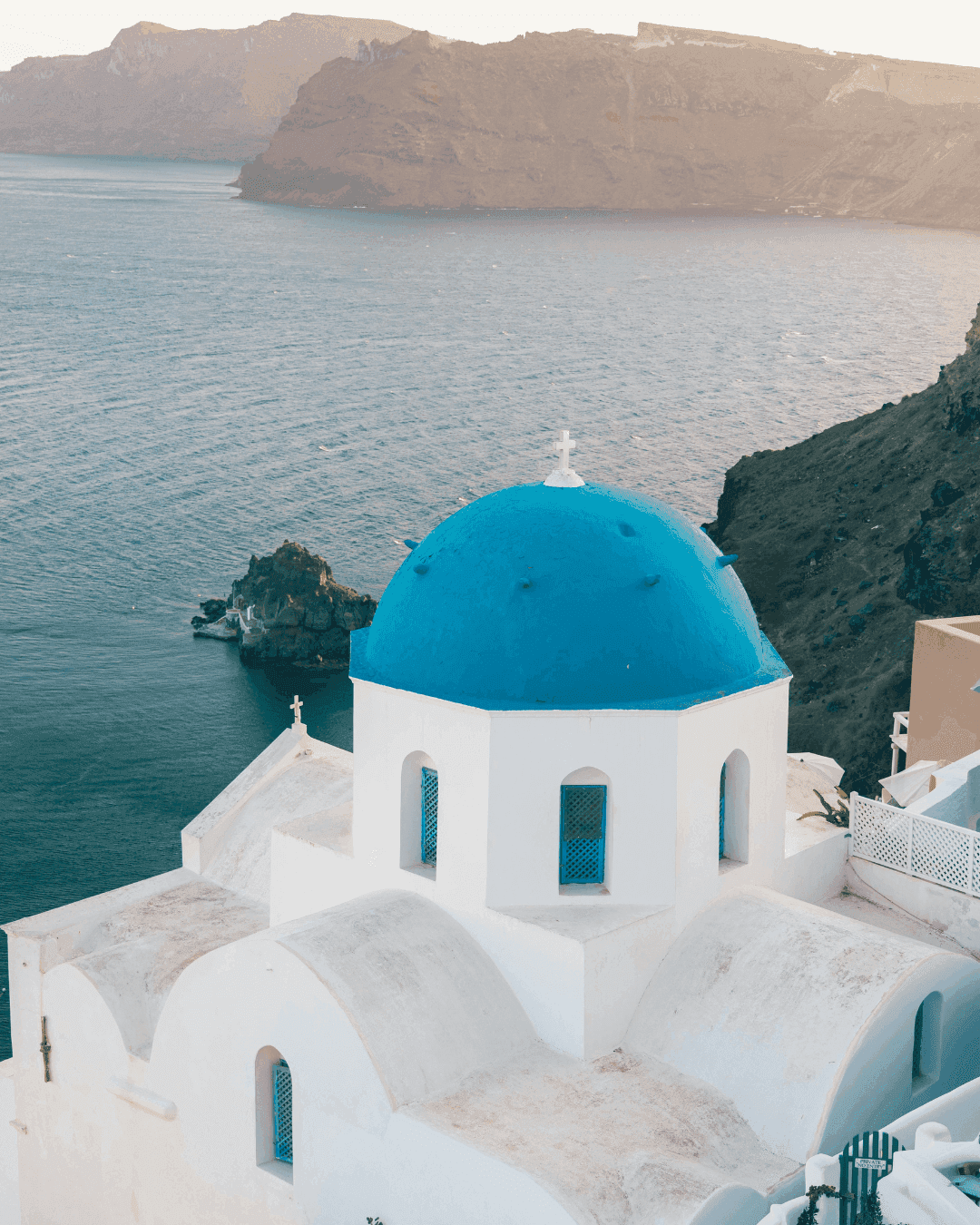
How AI Is Changing the Way Travelers Plan Their 2026 Trips to Santorini & Paros
From iconic sunsets in Santorini to the whitewashed villages of Paros, the Greek islands have long enchanted travelers throughout the world. But the way we discover them is changing. In 2026, AI travel planning is transforming not just how we search for holidays, but how we experience them.
And travelers who follow AI advice expect the experience promised to be validated upon arrival, and all the way up until check-out. And that's where the human-centered ethos of brands such as Andronis make all the difference.
At Andronis, we understand that search behaviour is only half the story. Real travel insight comes from local knowledge and empathy; the kind our team lives and breathes every day. And in an era shaped by AI, the role of a thoughtful host is more important than ever.
The Rise of AI in Travel Planning
The modern traveler no longer begins with a travel agent or even a search engine. They start with a conversation, often with an AI assistant. Questions like “Where to stay in Santorini with a caldera view?”, “Is Paros or Santorini better for couples?”, or “Can you recommend some hidden beaches near Naoussa?” are now asked in natural language, not keywords. And what they get in return is AI-generated travel advice that’s filtered, curated, and often more aligned with personal preferences than any listicle or review site.
This new behaviour marks a shift from keyword-led discovery to conversational trip planning, powered by algorithms that learn from each interaction.
When AI Meets the Cyclades
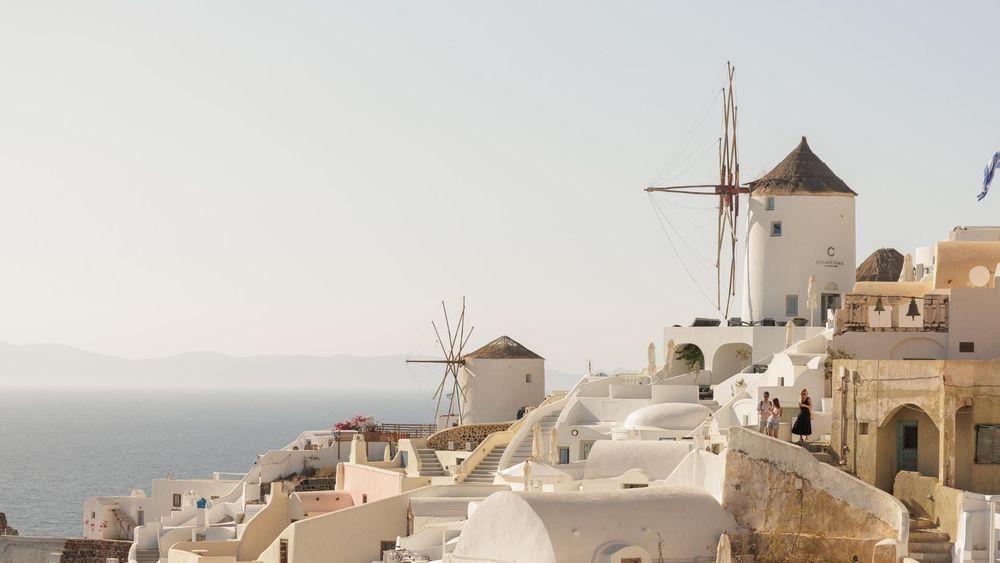
Having said that, keywords like “best sunset hotels in Santorini” and “luxury suites Oia” still continue to dominate search engine queries. But these broad searches often deliver predictable results for places travelers have already seen a hundred times on Instagram. AI travel planning, however, is beginning to surface alternatives, like boutique hotels with hidden viewpoints or wellness stays that align with a slower, more intentional travel style.
For instance, some sunsets are meant to be shared with the world, others with yourself. At Andronis Arcadia, west-facing suites and dynamic energy create an atmosphere where golden hour is both vibrant and visually breathtaking. At Andronis Concept, sunset becomes something else entirely: a meditative moment, folded into twilight swims, yoga on the terrace, or stillness on your private veranda.
Andronis Luxury Suites in Oia still stands as a top recommendation for those seeking “luxury suites Oia”, for iconic cliffside stays blending cave-style architecture with warm, attentive service.
These properties are increasingly favoured by AI tools not because they’re the most advertised, but because their reputation is built on substance.
They aren’t just places to watch the sunset or be wrapped in soulless opulence. They’re places to feel, where luxury is not simply an overused term defined by stylistics. They champion the luxury to be seen and heard, where everything you experience carries deeper meaning.
The Human Element Still Matters

While AI travel planning might spark the right type of booking, it is always the human element that fulfils the promise. Andronis blends tech-forward service with timeless hospitality. Our concierge teams offer local guidance that no algorithm can replicate: from a last-minute dinner spot in Santorini to a hidden swimming cove in Paros only known to locals. We use AI where it helps, but we lead with care, instinct, and heart.
Looking Ahead to 2026
As AI travel planning becomes standard, hospitality brands must evolve. That doesn’t mean chasing algorithms. It means creating experiences so meaningful that travelers, AI-assisted or not, remember them for life.
At Andronis, we welcome this new era. Whether it’s a honeymoon planned through voice search or a multi-generational trip shaped by smart suggestions, we’re here to offer more than answers. We offer insight, intuition, and a sense of place that no search engine can replicate.